
Generation & production phase
Record the generation you know and whether the car is pre-facelift or facelift. A registration year is a starting point, not a substitute for checking the actual bodywork.
A spoiler or splitter starts with the shape you like. Choosing the right version means looking more closely at the car, the part and how they come together.
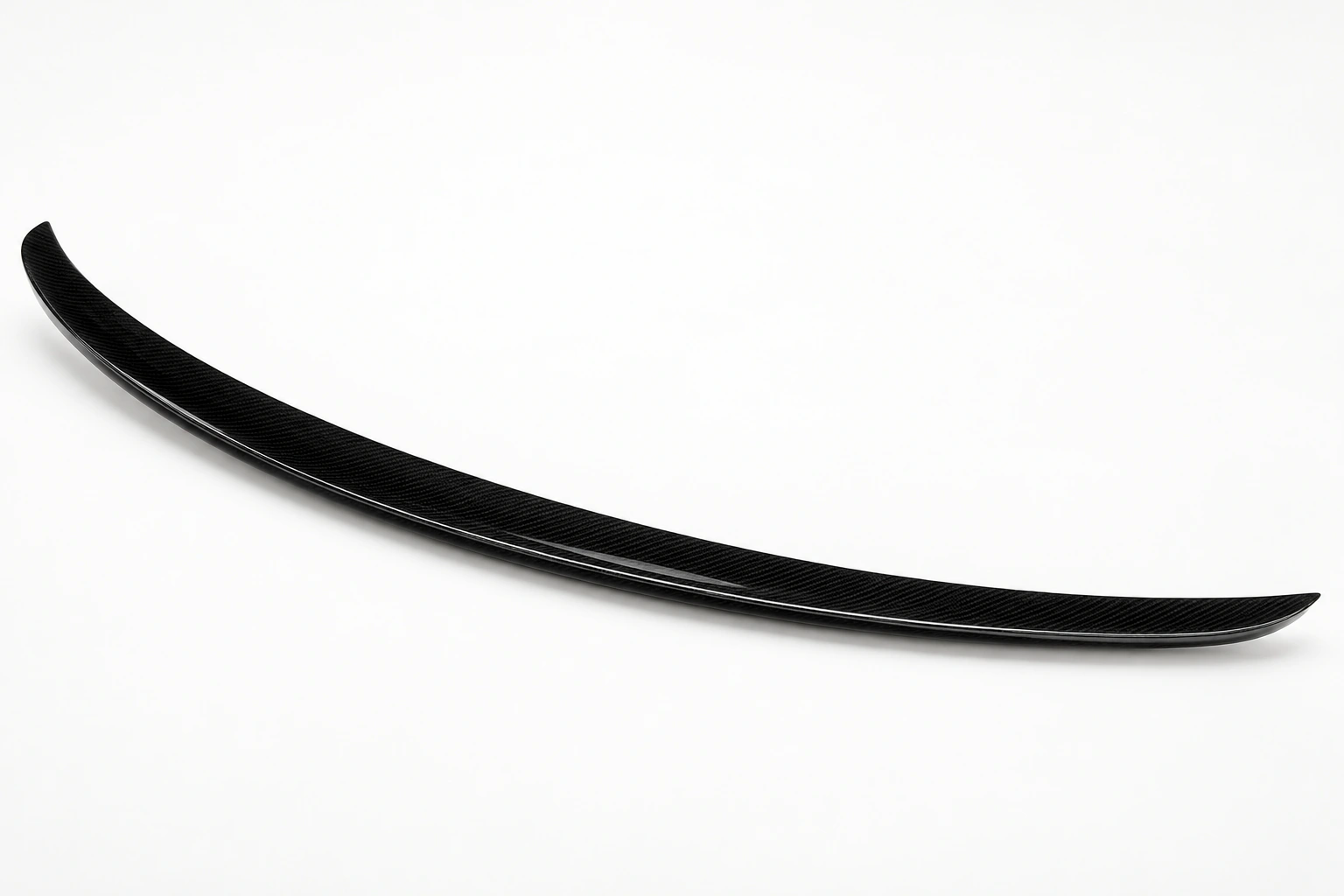
Two cars with the same name can have different bumpers, boot lids and mounting areas. These are the details worth keeping together.
Record the generation you know and whether the car is pre-facelift or facelift. A registration year is a starting point, not a substitute for checking the actual bodywork.
Be specific: Saloon, Estate, Coupé, Cabriolet or Hatchback. A boot-lid spoiler for a Saloon does not establish a match for an Estate in the same model family.
Show the whole bumper and its lower edge. Record the trim and any replacement bumper, existing diffuser, splitter or other bodywork changes.
Keep a close view of the surfaces and edges the part will meet. For rear parts, include the exhaust openings and the original lower section.
Choose the appearance you want, then establish exactly how the selected version is made and finished.
A lip, surround and complete replacement section can be different products. Get the selected version and complete scope written down before comparing totals.
One full-car view, one straight view of the relevant end, one close view of the mounting area and one view of existing parts or exhaust openings. Keep the car safely parked when taking photographs.
Have an experienced installer review the selected part and the actual fitting area before original components are removed.
Confirm the product-specific fixing method, access needed and any drilling or permanent alteration before work starts. Review the finished clearances and how the new part meets the original bodywork.
Ask for the care guidance for the exact material, finish and fixing method. Cleaning products, curing times and maintenance requirements should come from that specification rather than a similar-looking part.
Ask about a part or fitting detail ↗They narrow the search. The body, production phase and bumper still matter. Use the item’s named generation and fitting note, then keep clear photos of the actual mounting area with your request.
A trim badge alone does not establish the bumper shape or mounting points. Name the bumper fitted now, including any replacement or previous modification. Confirm the exact part against that bumper.
No. It describes a vehicle-neutral design in this catalogue. Width, shape, mounting surface, clearances and the fitting method still need checking against the individual car.
No. An image or finish name does not establish the material beneath it. Ask for the written material specification of the selected version and whether the finish is a surface effect, a skin or part of the construction.
Treat it as a visual reference until the supplied contents are confirmed. Check the number of sections, any separate extensions or surrounds, the fixing hardware and whether adhesives, brackets or other accessories are supplied.
A preview helps you judge the appearance on a photo of your car. It cannot measure a mounting surface, show hidden fixings or establish clearance. Keep the visual decision and the physical fitting check together.
Add the part you like to your basket with the car and the details you know. Use the fitment request to keep the checks together before an order.